Creative Commons and the Public Domain: What Does it all Mean?
A roundup of resources to help creators and users of media of all sorts navigate licensing and copyright issues.
If you use or refer to writing, photography, art, music, or any other media either in your own creative work, or in your social media, this is important information for you! It doesn’t have to be overwhelming, and the key things to remember are: attribute everything you use and use appropriately.
Understanding copyright and public domain will keep you on the right side of sharing and using.
ARound the Web
Observation journals & Kathleen Jennings
Kathleen Jennings is an artist and author and as far as I can tell everything she does is fantastic. She has an excellent blog, and her series of posts about her observation journal practice (linked above) is inspiring. I also really enjoyed her gothic mystery fairy tale Flyaway.
I’ve been doing some observation journals myself, and it’s been a really interesting way to collect ephemeral daily experiences. It has also expanded the surface area for where new ideas live, which means I’ll need to figure out how to regularly review and consolidate things I want to look into further, but my piles of digital and physical notes could all use a little more regular maintenance, so right now it seems like a good trade-off.
Stereographs
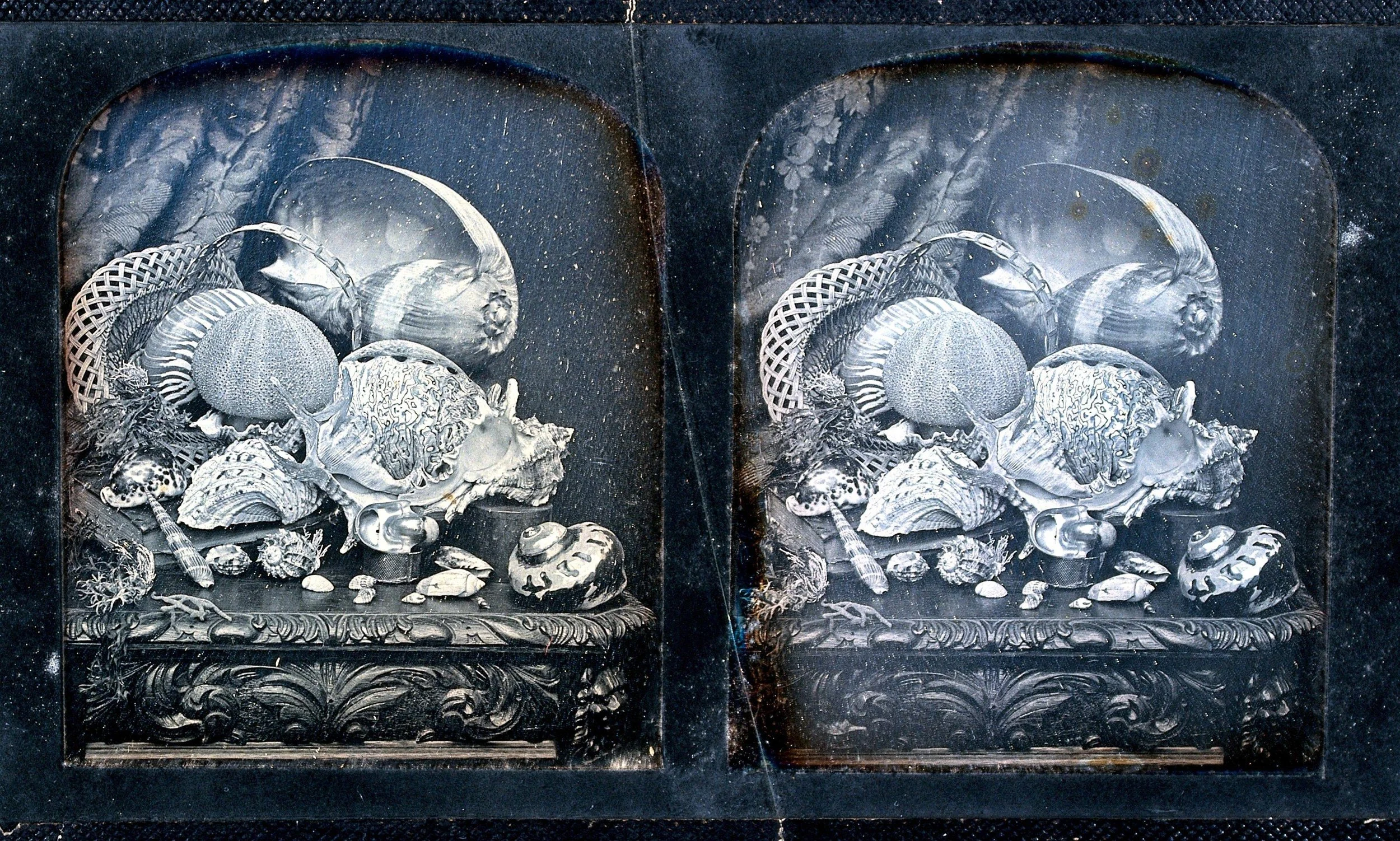
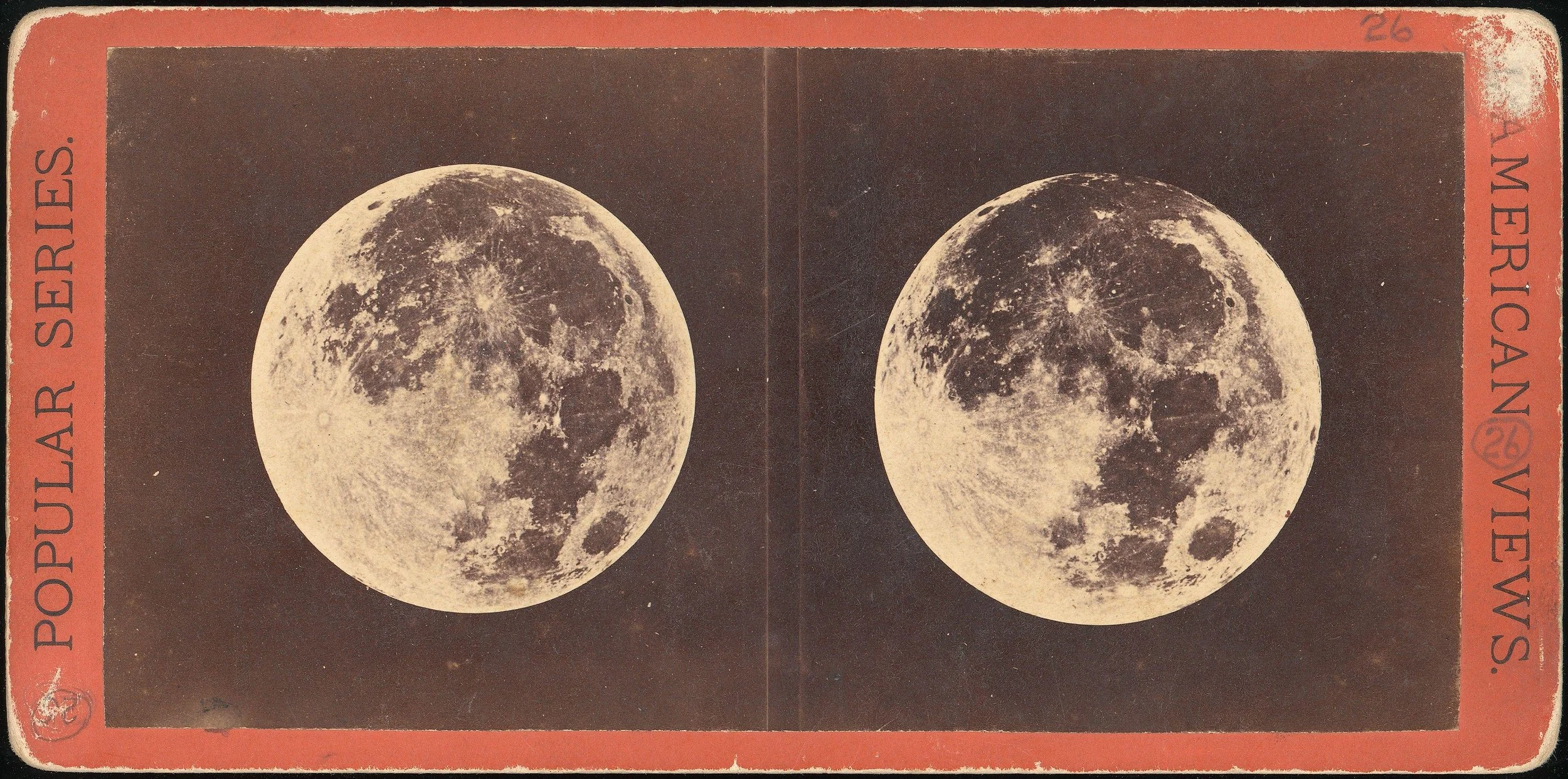
Picking out stereogrpahs to animate used to be an easy post for my turn on the socials when I was working as an archivist, and it’s still fun. I’ve been posting them on my tumblr blog. If you want to see the animations, you can click on the photos or the “see the animation” links.
![See the animation . Publisher: Thomas Small (British), and Publisher: London Stereoscopic Company (British). [Group of 15 Early Stereograph Views of Cambridge, England and the Surrounding Area] . 1860s–80s. The Metropolitan Museum of Art. htt](https://images.squarespace-cdn.com/content/v1/68dff775c7ae104392ede7a7/1764173842899-ALJ5EDKMXUIFM6NDYQRS/British-Group15Early-1860s80s.jpeg)
REading Recommendations
More books than usual fell by the Did Not Finish wayside for me in November, but I also read some real gems:
Ring Shout by P. Djèlí Clark
Strange Pictures by Utketsu
Share Your Work by Austin Kleon
Graveyard Shift by M.L. Rio
Houses with a Story by Seiji Yoshida
Writing in November
In my blog post from earlier in the month, I said that my goal was to do a personal NaNoWriMo (50,000 words in the month of November) to finish the first draft of the novel I’m working on. I did it! I’m feeling very productive! It’s still a messy first draft and there’s a lot of work to be done, but I think the bones of the story are there.
Licensing, Copyright, and Use
In the US, the creator of a work automatically owns the copyright. It doesn’t need to be registered to be valid. But as the creator, you can choose to share your work under full copyright, under a Creative Commons (CC) license, or you can give it to the public domain.
Please know that this is not legal advice and I am not a lawyer! This is a collection of guidance that I hope will help folks create, share their work, and reuse the work of others in a way that's fair. I encourage everyone to educate themselves!
Creative Commons
Creative Commons is an international non-profit that offers standardized and easy-to-use copyright licenses for anyone. The licenses range from CC0, where the copyright holder gives up their claim on their work and donates it to the public domain, to licenses that allow for reuse and adaptation with attribution to the original creator, to licenses that only allow non-commercial sharing with no adaptations or derivatives and attribution to the creator. Once you apply a CC license to your work, it’s irrevocable, so choose carefully!
CC REsources
The Creative Commons homepage has information about all of the licenses, what they mean, and how to use them.
A license chooser to guide you to the right license for your work.
A portal to search for CC licensed material across multiple platforms, including Wikimedia Commons, YouTube, Vimeo, and Flickr.
UT-Austin has a Copyright Crash Course, which is a collection of libguides about copyright. The course covers Creative Commons, public domain, and fair use. There are some links that are only for UT folks, but most of the information is available for anyone.
Creative Commons made this guide to using Creative Commons licenses as a journalist. The guide addresses both photos and words, and how some major open journalism shops like Pro Publica use CC licensing, along with best practices.
The guide itself is also available as a pdf here.
Public Domain
Public domain materials are not under copyright and are free to use, adapt, or create derivatives from. Always look for the terms of use, though. Never assume that just because it's free to read/listen/watch/download that it's public domain. Also be aware that copyright laws differ from country to country.
Public Domain Resources
What is public domain?
The basics of how copyright works in the US (it might seem dry, but if you are a creator or you use the creative work of others, it’s important to understand).
The Public Domain Review is an online journal that publishes academic and popular articles that use works in the public domain. This is their overview, “What is the Public Domain?”.
Search free to use and reuse materials from the Library of Congress.
Please note that just because something is free to read and/or download doesn't mean that it’s in the public domain!
There are photos, books, music, movies, etc. that are free and openly available, but that doesn’t necessarily mean that they're in the public domain or CC0, so always check for the license or terms of use.
For example, the Internet Archive has a lot of great free stuff, but not all of it is in the public domain.
This series of photos from the Met is CC0 (public domain) if you click into the link to read through the Met's terms of use.
But this collection of cover art is not in the public domain, and the licensing is unclear on the collection page at the Internet Archive.
Cover art is protected under copyright, so be careful how you use it. Here's a quick guide to fair use.
As a rule of thumb, if you're using a cover for a factual article, criticism, or as part of a course, that might be fair use. Remixing it for your own art or creatively is probably not fair use.
Attribution is Love for Creators and Community
It’s hard to overstate the importance of providing attribution. It helps your audience understand your work, it builds connections to the original creators, it's good citizenship, it's good stewardship of our creative cultural output, and it supports your credibility as a creator.
Austin Kleon’s Share Your Work has a section on the value of attribution—it’s worth a read! He argues for linking to your sources when you can (as opposed to just citing them, which you should always do), and making the links clickable. Clickable links help your audience explore the network of sources that your work draws on, and gives us (your audience) a chance to incorporate your work and your sources of inspiration into our own work.
We want this! Consuming creative work makes our lives better and helps us understand how to move through the world more skillfully and get more out of our time here, so it’s worth it to support our fellow humans in creating—especially in this era of generative AI and the cultural depredation it’s built on.
Let’s keep creating, let’s go write!